
An estimated $344 billion has been illegally removed from the Indian economy between 2002 and 2011
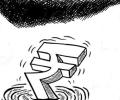
India imposes restrictions on how much money its citizens and companies can invest abroad

Investor lobbies and tax lawyers estimate the bill for international funds and banks could be as high as $8 billion

Sebi has long struggled with balancing the needs of small investors and those of the market.

The move will likely attract more retail investors.

The policymaker said the RBI had not reached the point where specific actions were under consideration.

Sebi also approved new delisting rules.
Sebi has asked clearing houses to establish separate funds for all segments of the market including equity, debt and currency.

The drive against insider trading comes after SEBI last year received enhanced investigation powers from parliament, including the ability to monitor call records.

Both companies can now complete the deal.

Albanese, 56, will take the helm on April 1.
.jpg)
The Securities and Exchange Board of India (SEBI) unveiled new proposals, broadening the scope of who can be held liable for insider trading violations.
.jpg)
The market regulator is wielding an unprecedented level of control over how mutual funds operate, delaying new launches and dictating investment strategy, frustrated insiders in the embattled industry say.

It was put on hold in 2008 after the global financial crisis.

The RBI cracked down on offshore foreign exchange trading by Indians through online trading websites.

The Indian rupee slumped to a record low near 69 to the dollar on Wednesday on growing worries that foreign investors will continue to sell out of a country facing stiff economic challenges and volatile global markets.

The Guardian reported that accounts filed in Dublin showed that in 2009 Her Majesty's Revenue and Customs settled a dispute with the British telecoms provider over its Irish tax returns.

RBI banned banks from proprietary trading and Sebi doubled the margin requirement on the domestic dollar-rupee forward trade.
 © 2026 Rediff.com - Investor Information - Advertise with us - Disclaimer - Privacy Policy - Sitemap - Feedback - About us - Terms of use - Grievances